

How Mixed Signal ASICs Are Enabling Smarter Automotive Systems
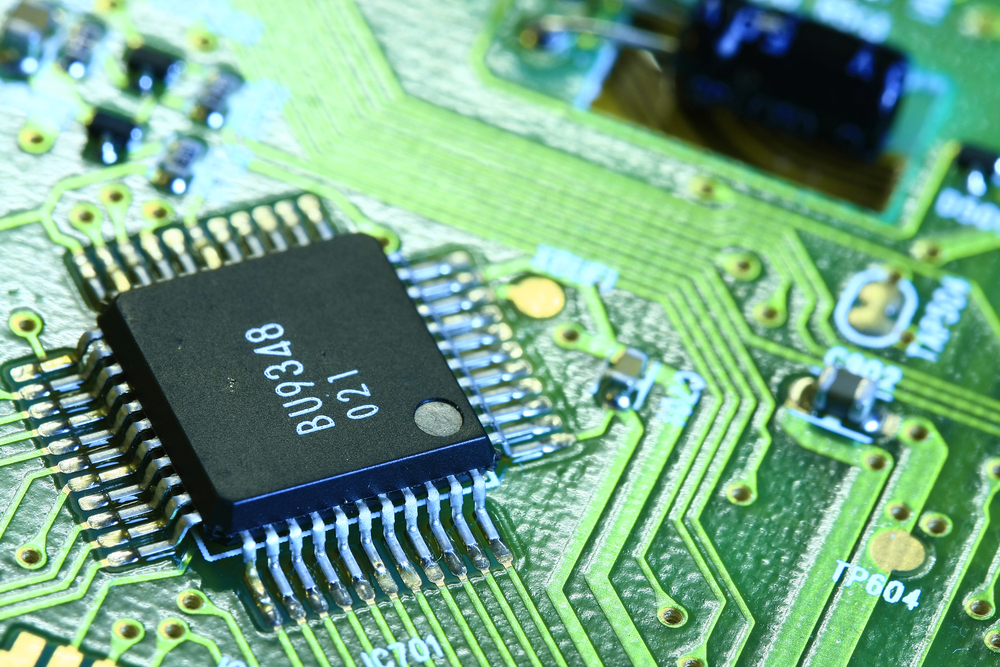
Modern vehicles are becoming increasingly intelligent. Advanced driver assistance systems, electrification, connected features, and sophisticated vehicle controls all depend on electronics that can process information quickly while operating within demanding space, power, and reliability constraints. At the heart of many of these systems are application-specific integrated circuits, including Mixed Signal ASIC technology. By combining analog and digital circuitry on a single chip, mixed signal ASICs can help automotive manufacturers and system designers manage real-world signals while performing the digital processing required to make those signals useful. The result is more integrated electronics that can support the increasingly complex demands of modern vehicles.
Connecting the Physical and Digital Worlds
Automotive systems constantly interact with physical conditions. Temperature sensors measure environmental changes, pressure sensors monitor vehicle components, cameras and other sensors collect information, and battery systems track electrical characteristics. These sensors generate analog signals that must be conditioned and converted before digital processors can interpret them. A Mixed Signal ASIC brings analog and digital functions together, allowing these different stages to be integrated into a highly specialized device.
This integration can reduce the number of separate components required within an electronic system. It can also allow designers to optimize signal paths, power requirements, and overall system architecture for a specific automotive application. For automotive electronics, where space is limited and reliability is critical, that level of integration can be particularly valuable.
Supporting Advanced Automotive Applications
The shift toward software-defined and increasingly automated vehicles is creating new demands for semiconductor technology. Systems must process more data while maintaining predictable performance across challenging operating environments.
A Mixed Signal ASIC can support applications ranging from sensor interfaces and power management to battery monitoring and motor control. Electric vehicles, for example, rely on sophisticated electronics to monitor battery conditions and manage power efficiently. Precise analog measurement combined with digital control can help these systems respond to changing operating conditions.
Advanced driver assistance systems also depend on reliable sensor data. While the complete architecture may include multiple types of processors and sensors, mixed signal devices can handle important interface and signal-conditioning functions between the physical sensing environment and digital processing systems.
Designing for Automotive Reliability
Automotive electronics must operate through temperature fluctuations, electrical noise, vibration, and years of demanding use. Semiconductor solutions must therefore meet the application’s operating requirements.
One advantage of ASIC development is tailoring functionality to specific system requirements rather than relying exclusively on general-purpose components. A custom Mixed Signal ASIC can integrate selected functions into a purpose-built architecture, potentially reducing component count and simplifying system design.
For microsystems companies developing next-generation automotive technology, this flexibility can create opportunities to optimize both performance and integration. As vehicles continue to incorporate more sensing, computing, connectivity, and electrification, semiconductor architectures will play an increasingly important role.
Mixed-signal ASIC technology bridges the analog signals of the physical vehicle and the digital intelligence driving modern automotive systems. By combining these capabilities within specialized silicon, mixed signal ASICs are helping create more integrated electronic architectures for the increasingly connected, electrified, and intelligent vehicles of tomorrow.
Linear MicroSystems, Inc. is proud to offer its services worldwide as well as the surrounding areas and cities around our Headquarters in Irvine, CA: Mission Viejo, Laguna Niguel, Huntington Beach, Santa Ana, Fountain Valley, Anaheim, Orange County, Fullerton, and Los Angeles.