
Time of Flight ASICs for Medical Applications: Enhancing Imaging and Diagnosis
As medical technology advances, healthcare providers increasingly rely on precision, speed, and accuracy in diagnostic imaging. One innovation accelerating this progress is the Time of Flight ASIC. This is a highly specialized chip designed to improve imaging systems by enabling enhanced depth sensing and improved timing precision. In settings where early detection and accurate diagnosis are critical, this technology is becoming a transformative force.
How Time of Flight ASICs Work in Medical Imaging
A Time of Flight ASIC calculates the time it takes for emitted photons or particles to travel to a target and return to a sensor. By measuring this minimal interval often in the picosecond range, these chips deliver highly accurate depth and distance data. This core principle enables faster, more precise, and more detailed imaging than many traditional systems.
Medical devices such as PET scanners, optical imaging tools, and surgical navigation systems benefit significantly from this approach. In PET imaging, for example, Time of Flight measurements reduce background noise and enhance image reconstruction, resulting in sharper images and more reliable diagnostic outcomes. For clinicians, this can mean earlier cancer detection, improved monitoring of disease progression, and more precise treatment planning.
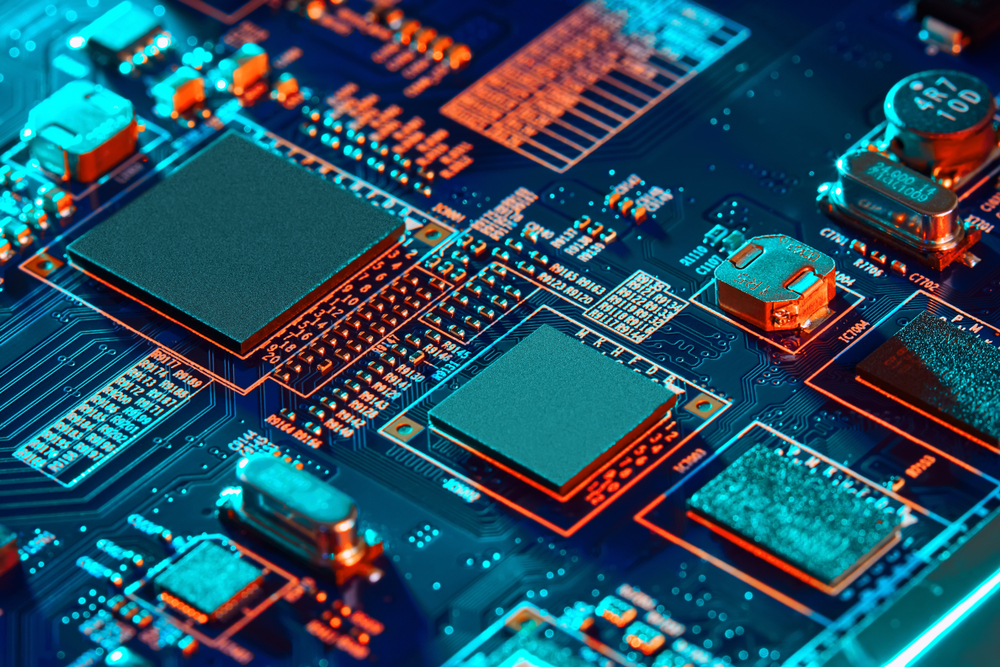
Custom-designed semiconductor solutions enable a Time of Flight ASIC to deliver low noise, high timing resolution, and optimized signal processing, all within a compact, power-efficient architecture. This makes it ideal for both stationary and portable medical devices.
Advantages of Time of Flight ASICs in Clinical Environments
Implementing a Time of Flight ASIC in medical applications provides several key advantages that directly support patient care and clinical efficiency.
1. Enhanced Image Precision
The high timing resolution of Time of Flight technology helps produce cleaner, more accurate images. This leads to improved diagnostic confidence, especially when detecting small lesions or subtle abnormalities.
2. Faster Imaging and Reduced Scan Times
TOF technology accelerates image acquisition, which is especially valuable in high-demand hospital environments. Reduced scan times mean increased patient throughput, shorter appointments, and less patient discomfort.
3. Lower Radiation Dose Requirements
In modalities such as PET, Time-of-Flight ASICs can achieve high-quality images at lower injected radiotracer levels. This reduces patient radiation exposure and supports safer imaging practices.
4. Compact and Energy-Efficient Designs
Medical device manufacturers benefit from ASICs that combine advanced performance with minimal size and power consumption. This enables lighter, more portable imaging devices, opening doors to point-of-care diagnostics and mobile health solutions.
Driving the Future of Medical Diagnostics
The demand for high-speed, high-accuracy imaging continues to grow as healthcare systems prioritize early detection, personalized treatment, and minimally invasive procedures. The Time of Flight ASIC is at the forefront of this evolution, enabling next-generation imaging tools that are more precise, efficient, and patient-friendly.
As medical device innovators look toward the future, Time of Flight technology will play a crucial role in shaping diagnostic capabilities. From advanced radiology systems to emerging optical imaging solutions, TOF ASICs are powering breakthroughs that improve patient outcomes and redefine what’s possible in modern medicine.
Learn more about our work at Linear MicroSystems by clicking here!
Linear MicroSystems, Inc. is proud to offer its services worldwide as well as the surrounding areas and cities around our Headquarters in Irvine, CA: Mission Viejo, Laguna Niguel, Huntington Beach, Santa Ana, Fountain Valley, Anaheim, Orange County, Fullerton, and Los Angeles.